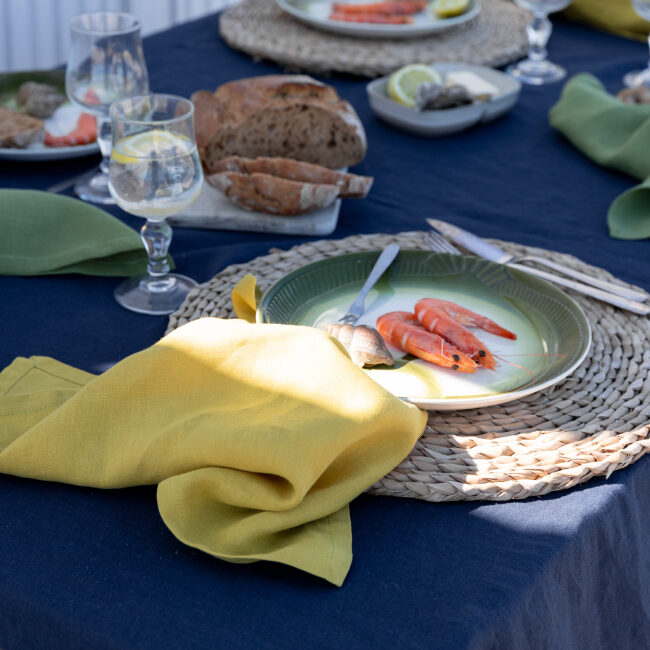
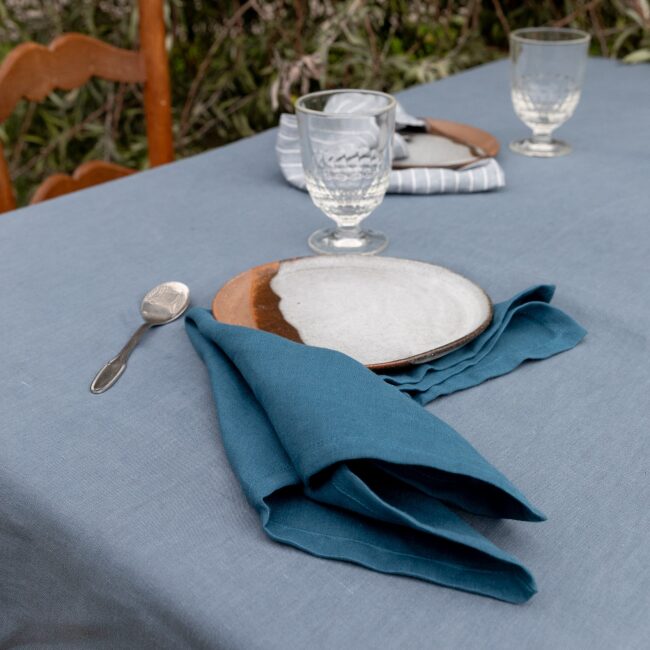
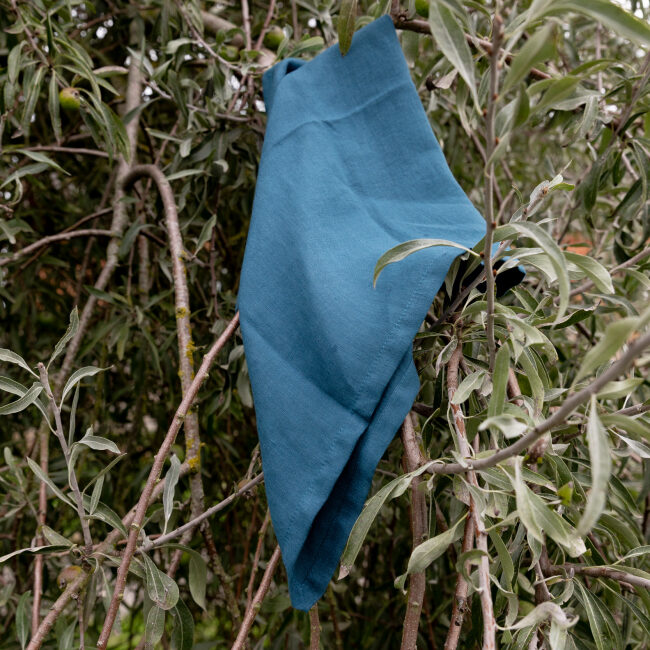
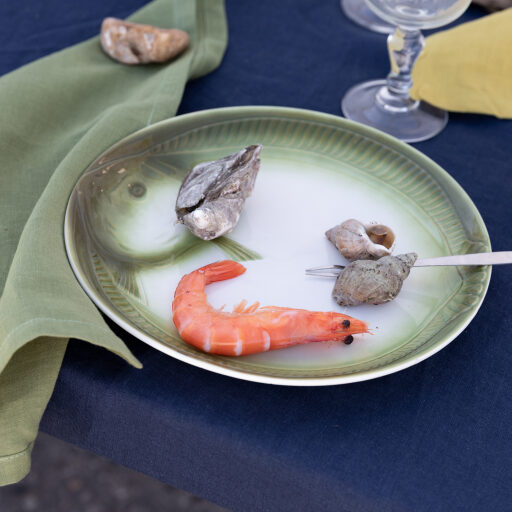
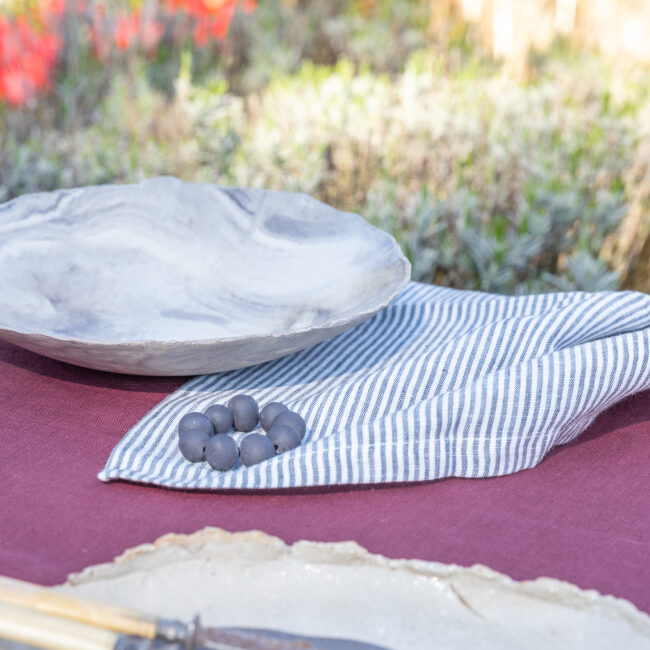
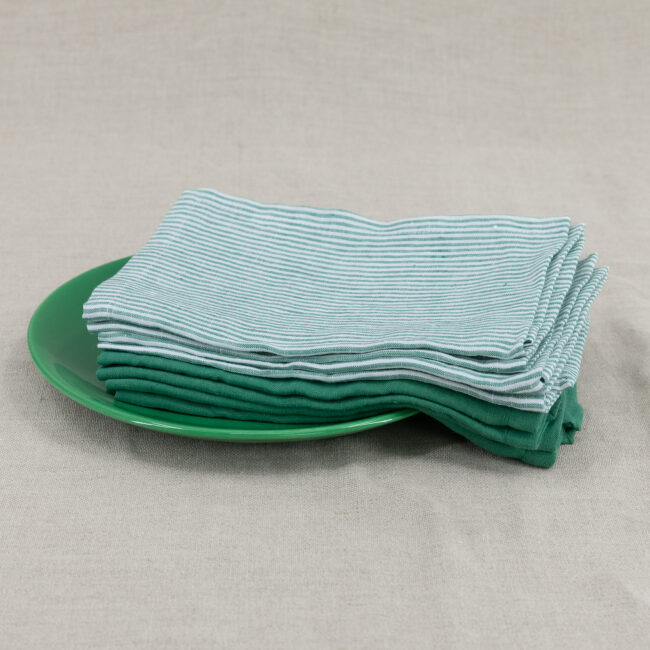
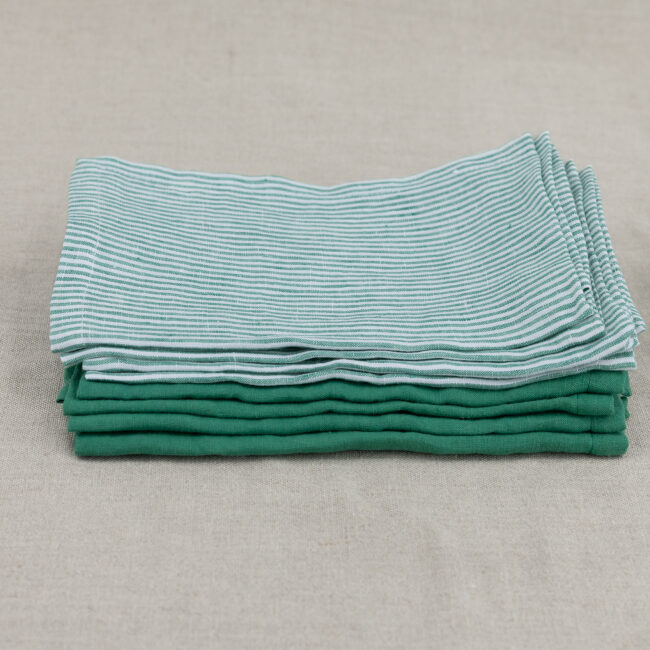
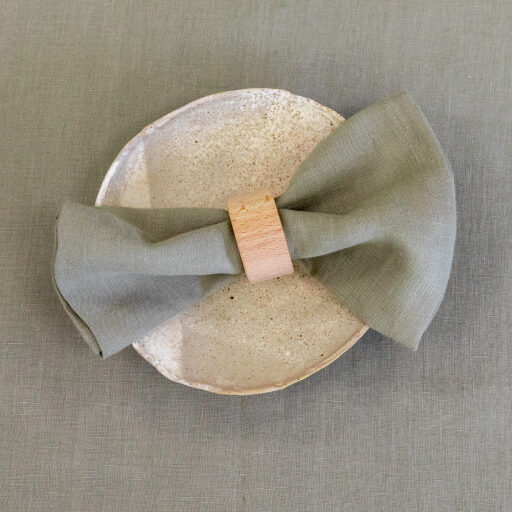
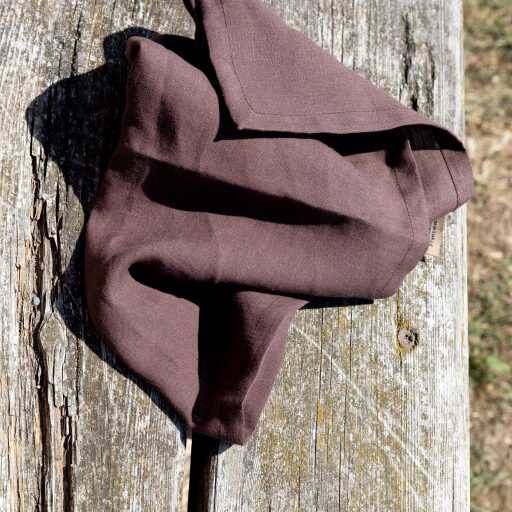
Our linen napkins
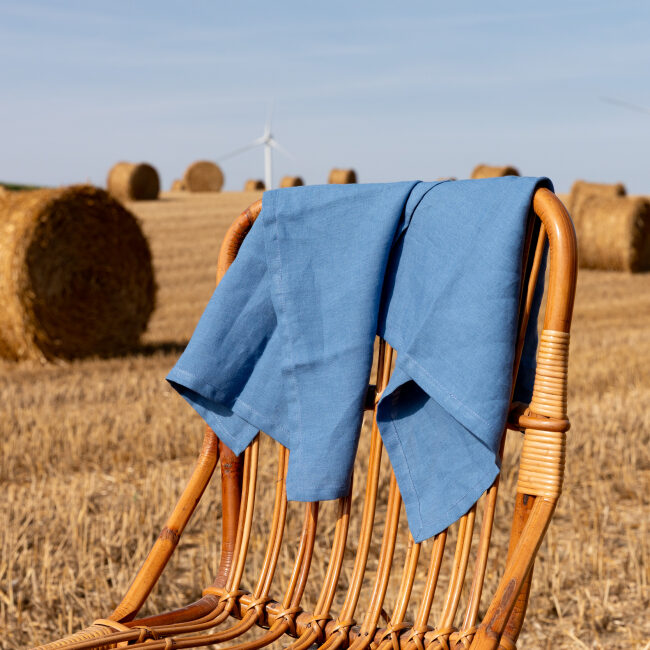
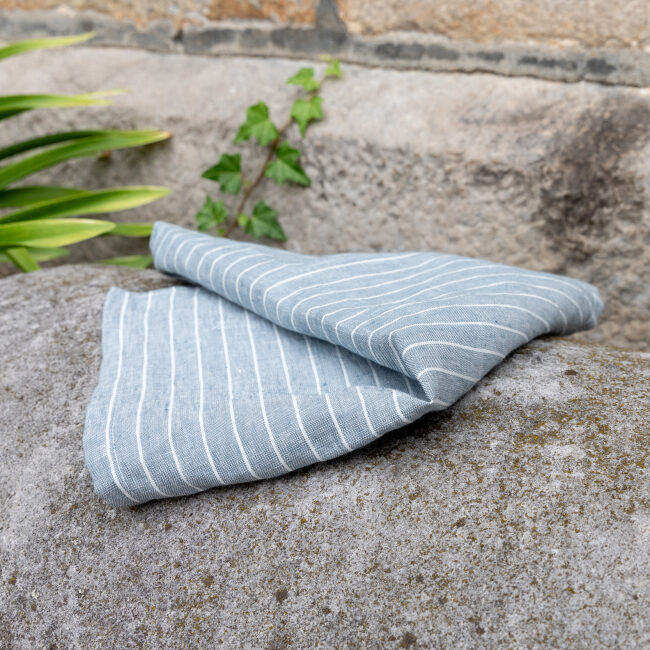
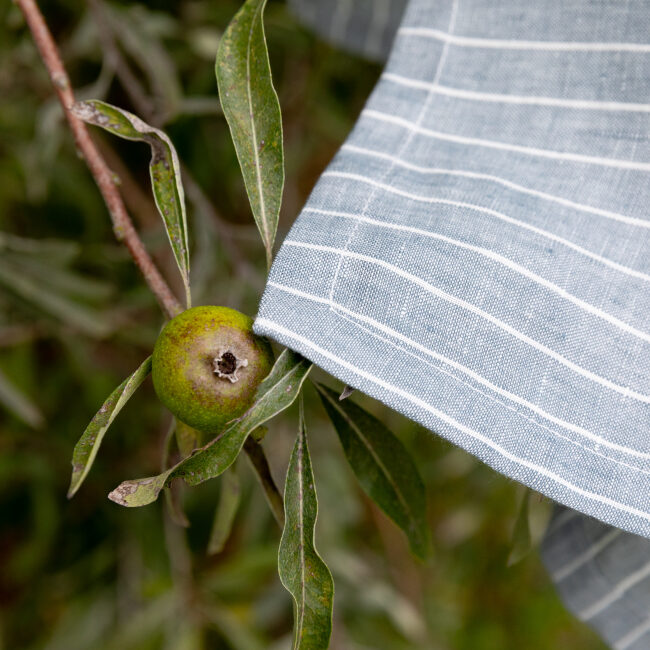
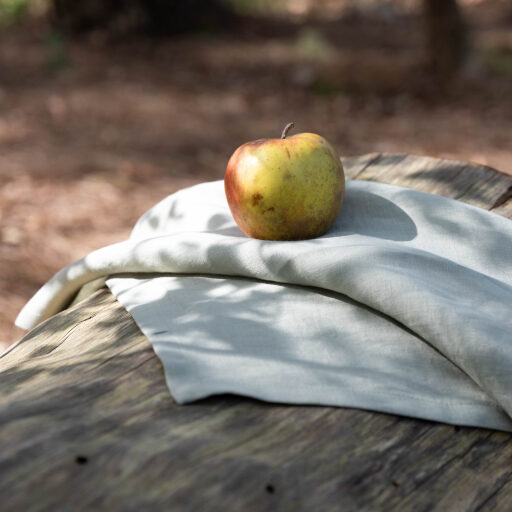
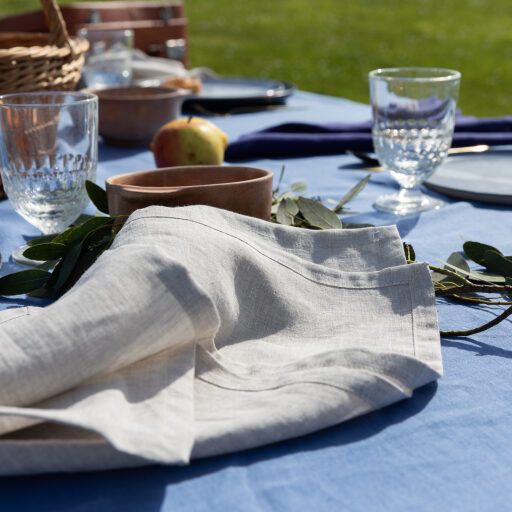
To bring a chic and elegant touch to every meal with family or friends, nothing compares to washable linen napkins. At Embrin, they are crafted in the traditional way using an environmentally friendly process. As well as being ecological, a linen napkin is also highly durable, gentle on the skin, and available in a wide range of colours to perfectly complement your interior décor. Discover in detail the many benefits of a linen napkin!
The linen napkin: advantageous in every way!
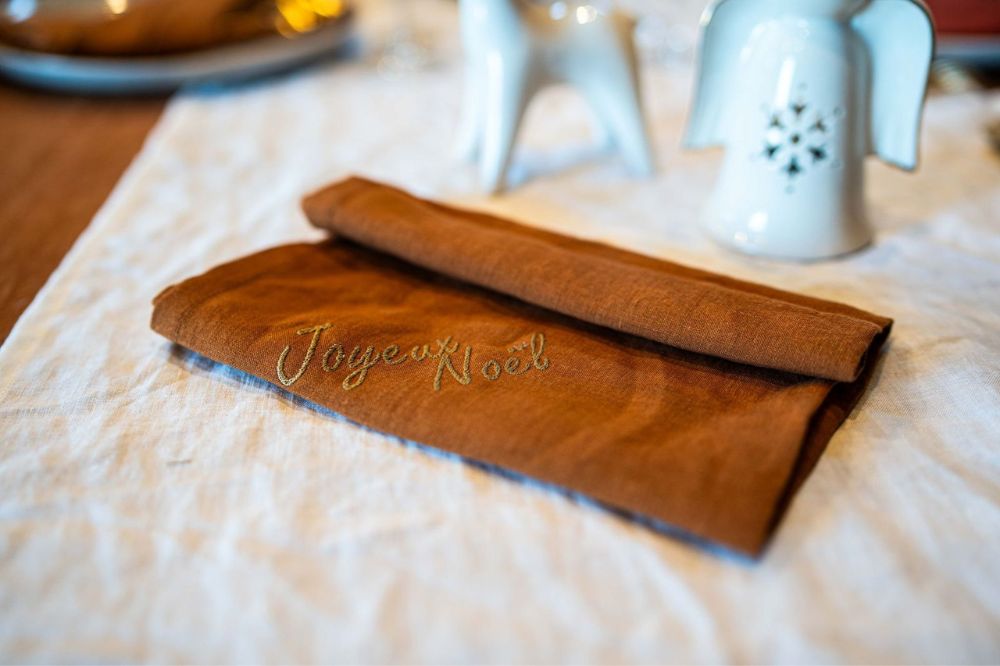 The linen napkin is probably the most ecological choice: right from the start, when the plant grows, it uses very few resources and requires little water or fertiliser. As a result, it does not deplete the soil and does not pollute it with toxic substances. What’s more, linen is the ultimate zero-waste plant: every part of it is used to create different products.
Throughout its making, linen never comes into contact with any harmful chemicals for nature or people. Thanks to this, our napkins have been awarded the Oeko-Tex Standard 100 label! They care for your skin: not only are they hypoallergenic, but they are also very soft. In fact, contrary to popular belief, washed linen is a natural product with a wonderfully soft and pleasant feel.
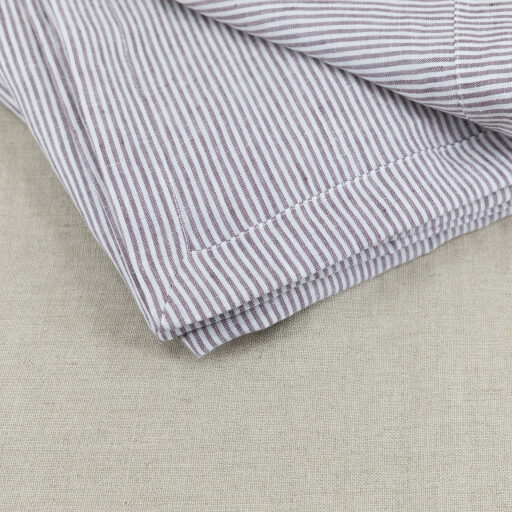
The more time passes, the softer a washed linen napkin becomes! This natural product does not deteriorate over time; it develops a lovely patina and becomes increasingly supple. Washed linen is ideal for napkins: it is resistant to wear and also to stains, as its fibres do not cling and are very easy to clean. They can also absorb a large amount of liquid, protecting your tablecloth or clothing from water or wine stains.
In fact, it’s by washing a linen napkin that it becomes ever softer! Water does not damage its fibres; quite the opposite: it strengthens and softens them. Washed linen gets its name from the fact that it has already been washed and softened several times before arriving on your table. It’s a truly remarkable plant-based product!
How are our linen napkins made?
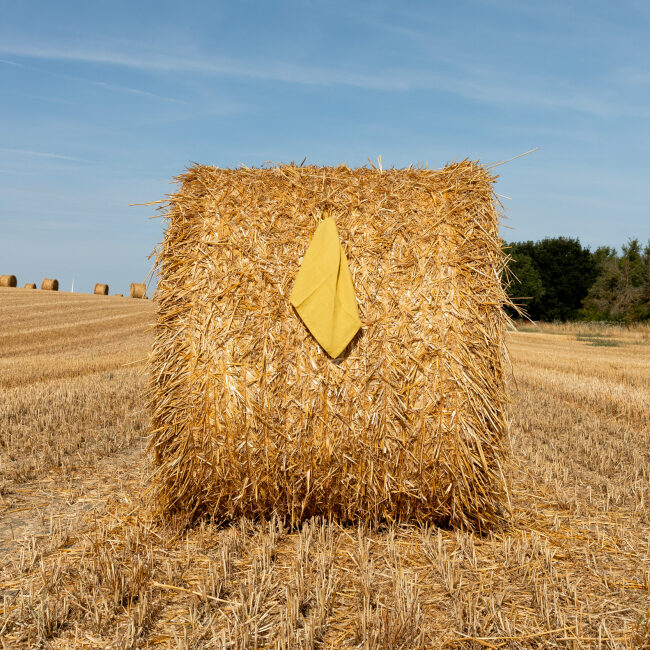
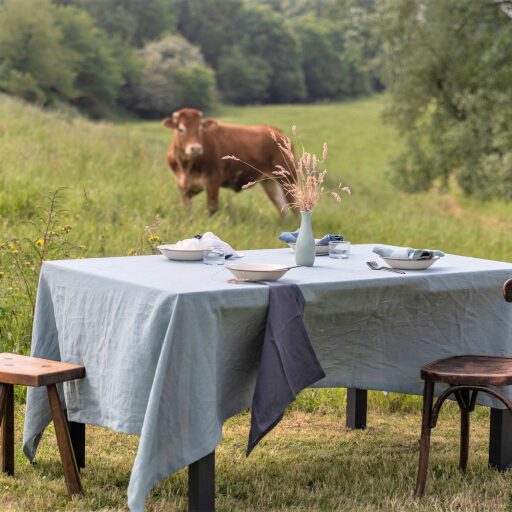
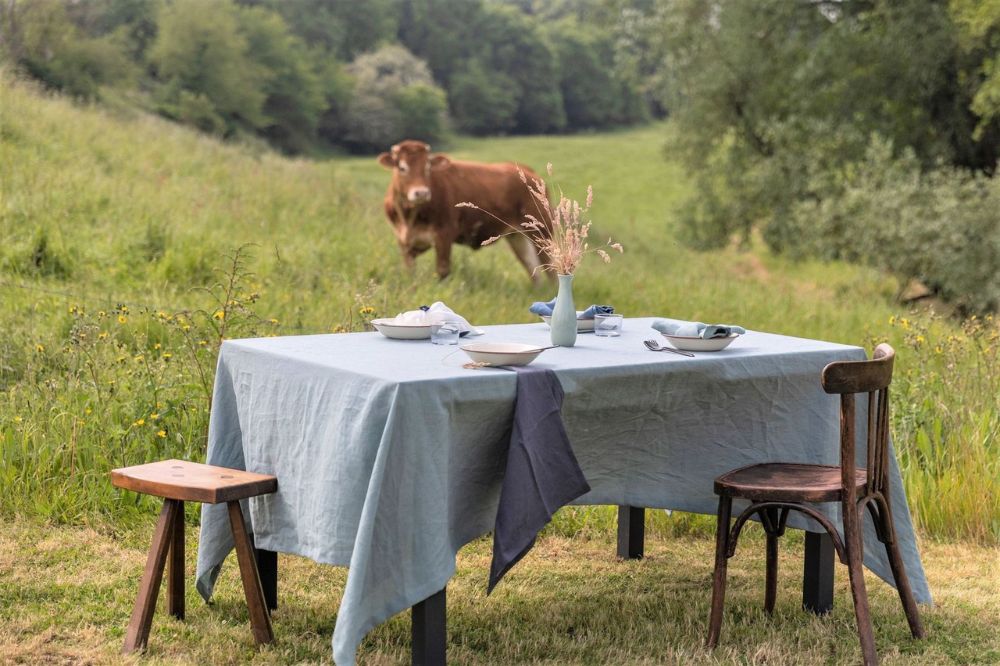 The linen used to make our napkins is grown in the fields of Normandy. Only the best seeds are sown, selected for their health and germination quality. They take around 100 days to grow and absorb CO2 throughout their development: it’s an ecological crop that requires no added water or fertiliser.
The linen is then pulled up and retted for a period of time. Rain and sunshine activate the soil’s micro-organisms, which then separate the fibres from the woody part of the flax. Everything is natural; at no point do we use chemicals for this stage! Finally, the linen is gathered and baled.
Our washed linen napkins are made using traditional craftsmanship: the plant is separated into several parts mechanically, not chemically. Only the longest fibres are kept for making your napkins. These are untangled with combs and then assembled together to form threads. This step is carried out in warm water, which helps to soften the linen fibres.
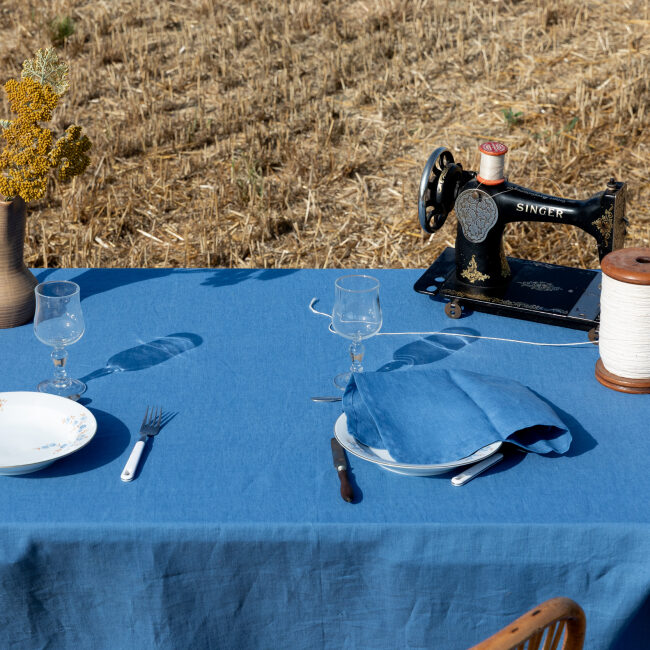
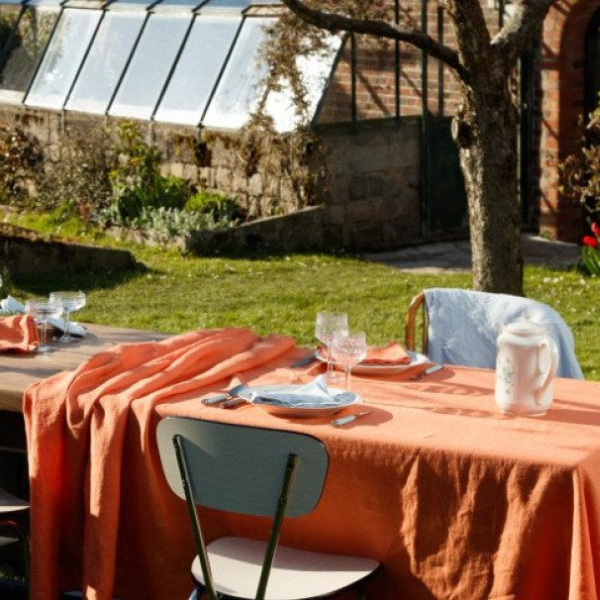
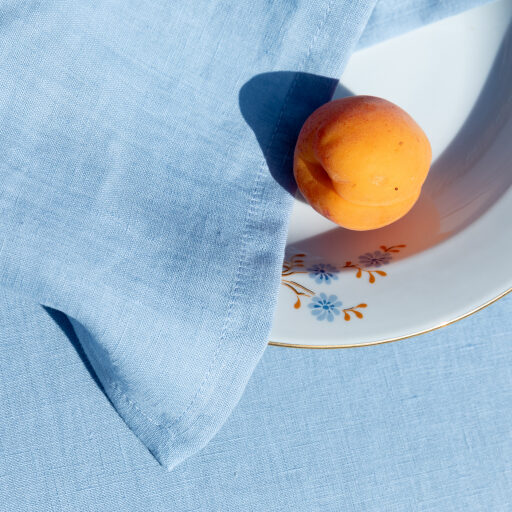
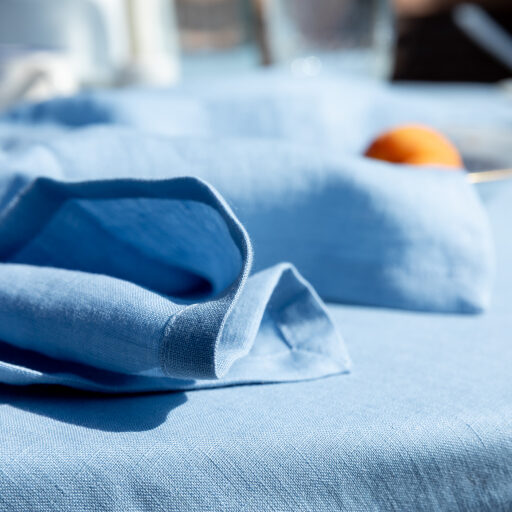
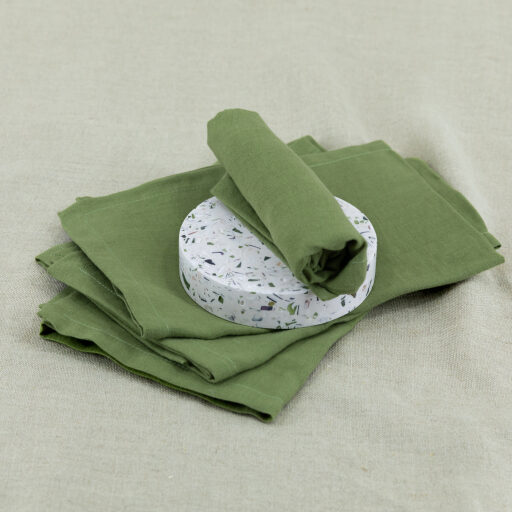
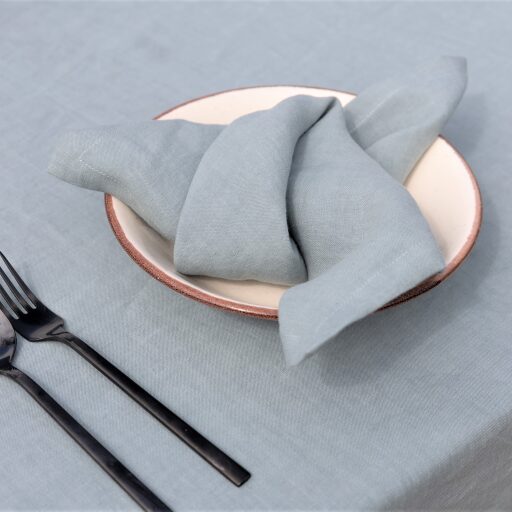
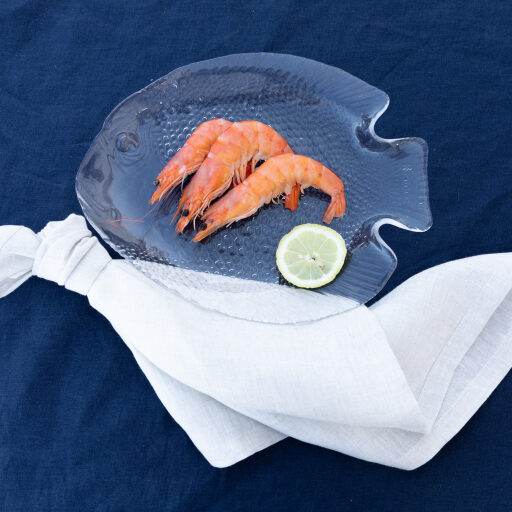
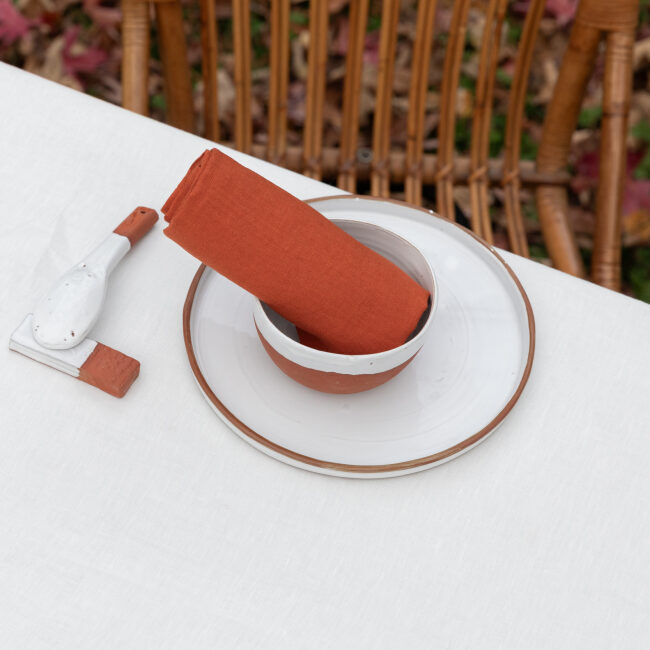
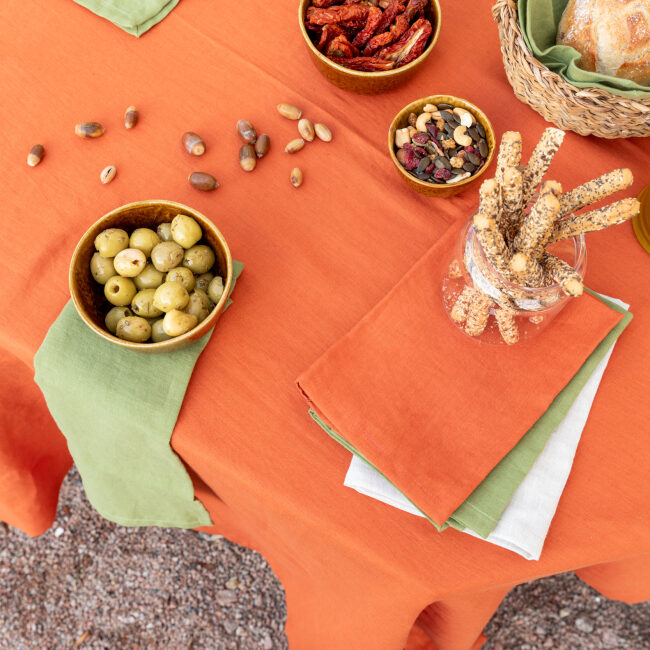
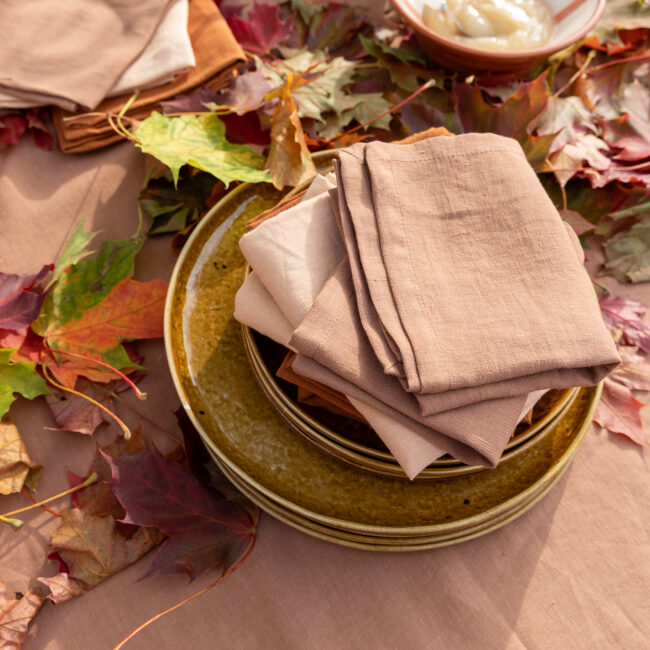
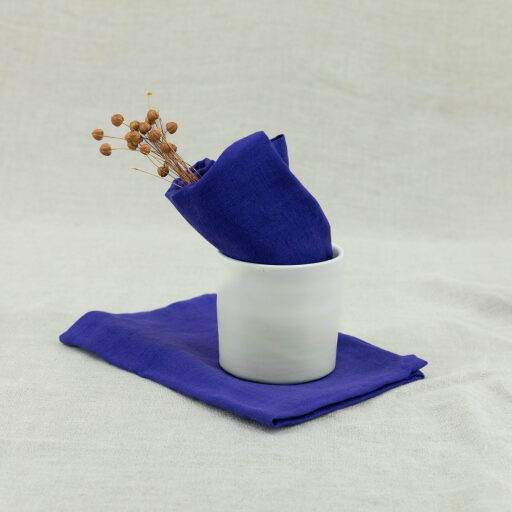
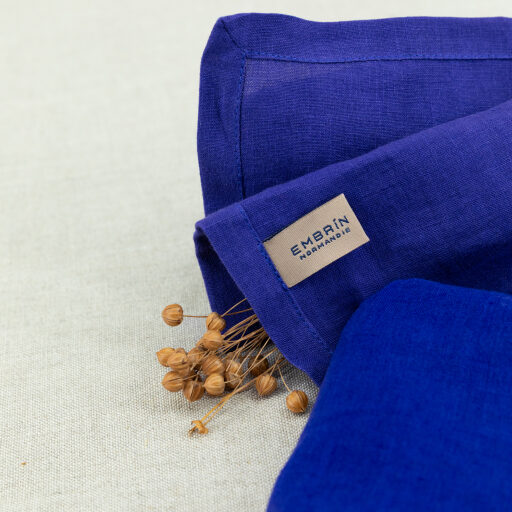
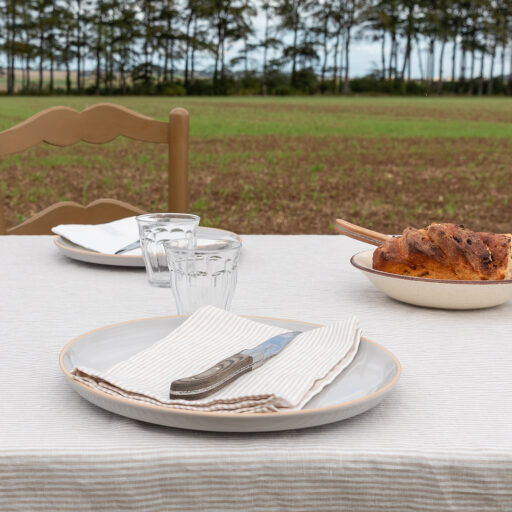
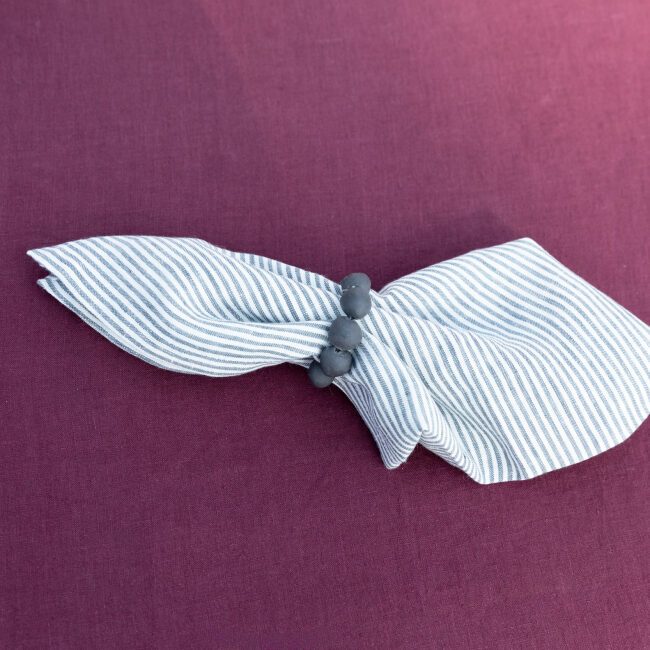
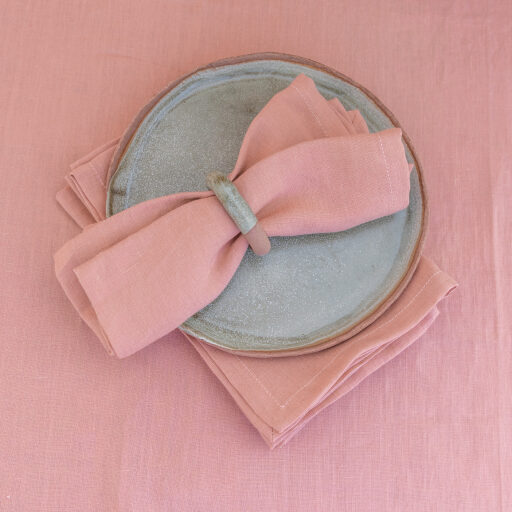
Finally, the threads are woven to create your washed linen napkins! They will bring an authentic touch to your table, whether for everyday use or special occasions. They last for years and are far more ecological than paper napkins! They dry just as well, are much softer, and can also be folded into beautiful shapes to create an original table decoration! Furthermore, linen is a natural product that absorbs colours extremely efficiently. This means our napkins can feature a range of vibrant shades, while using two to three times less dye than cotton or wool fabrics.
At Embrin, we also offer linen table linen: tablecloths, table runners and placemats. And to prepare all your delicious meals, discover our Japanese aprons in washed linen!