6 questions to help you configure the ideal Roman blind
The Roman blind is a timeless classic in interior decoration. It is often seen as a simple accessory rather than a decorative feature in its own right, which is a misconception. Roman blinds are an effective way to combine practicality with aesthetics by shielding our interiors from sunlight and sometimes from cold and damp. Here are 6 essential questions to consider before configuring your Roman blind.
What effect do you want your Roman blind to create?
Roman blinds offer a cosy and personalised atmosphere to every room you wish to dress. Every interior has its own linen Roman blind. Embrin shares its tips and advice for choosing the Roman blind that best suits your decorative style and your preferences.
Will this blind be enough on its own, or would you like to add curtains or sheers for a decorative touch?
It is important to take stock of any existing curtains and sheers and their respective linings:
- if your curtains are already blackout, you can opt for transparent blinds,
- if you have sheers, you can choose a blackout lining for your blinds to achieve total darkness,
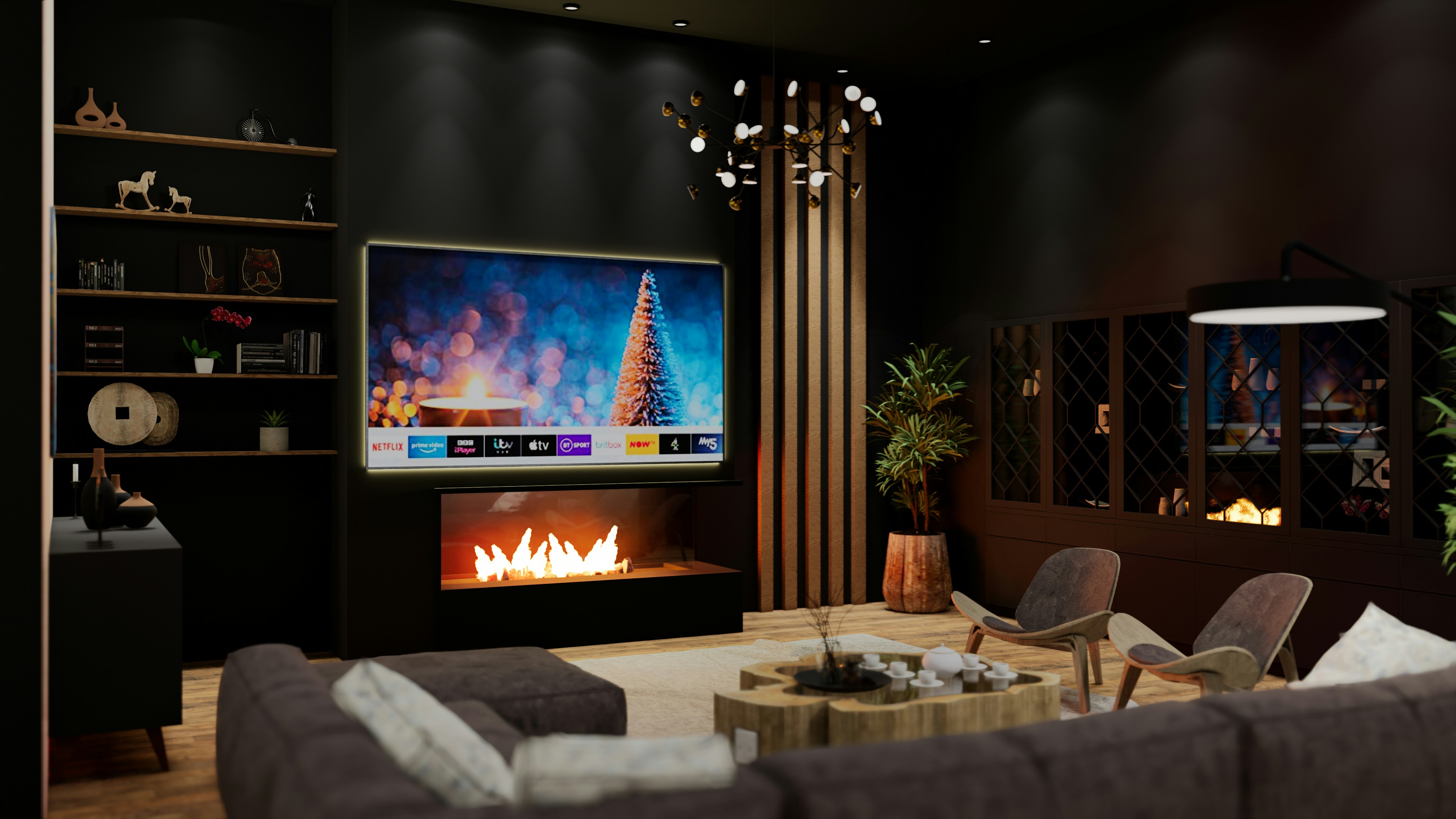
- if you plan to use only blinds, we recommend choosing a blackout lining for rooms where you want to block out the light (bedrooms, office, and TV lounge).
What decorative style would you like to give the room?
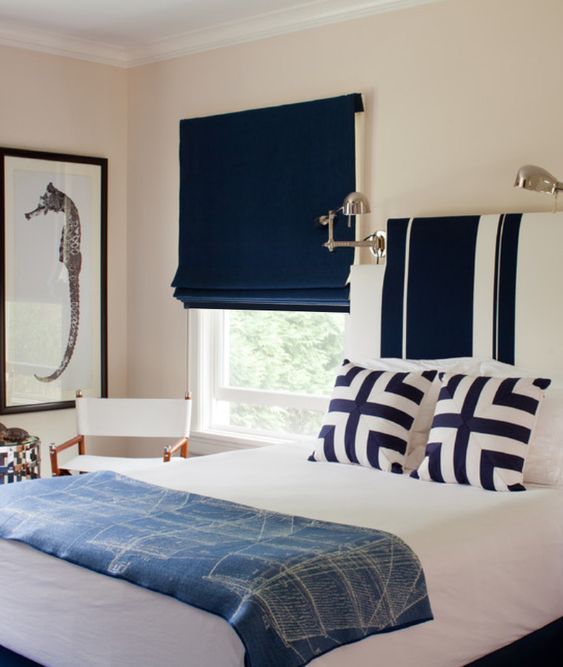
Do you want an elegant room? Opulent? Minimalist? Or perhaps authentic? Maybe vintage? Or romantic in style? Look for inspiration on Pinterest or in interior design magazines and select the style of blind that will suit best. Here are a few pointers:
- Neutral colours are more easily matched with modern interiors than with rustic ones.
- Reds, yellows, and greens work well in traditional and authentic interiors.
- Green evokes the earth and the plant world, and is less suited to minimalist interiors.
- Red and yellow are colours best avoided in a bedroom.
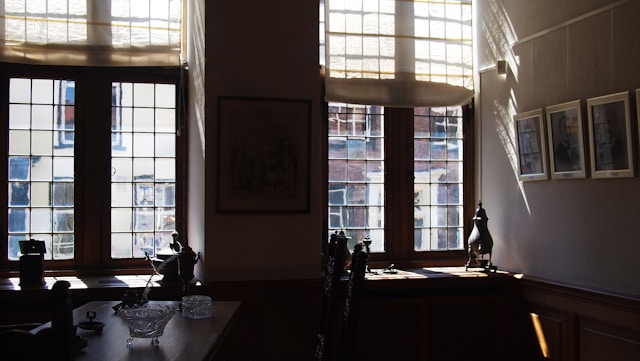
- Unlined blinds let light through and are therefore better suited to already dark interiors with low ceilings and/or exposed beams.
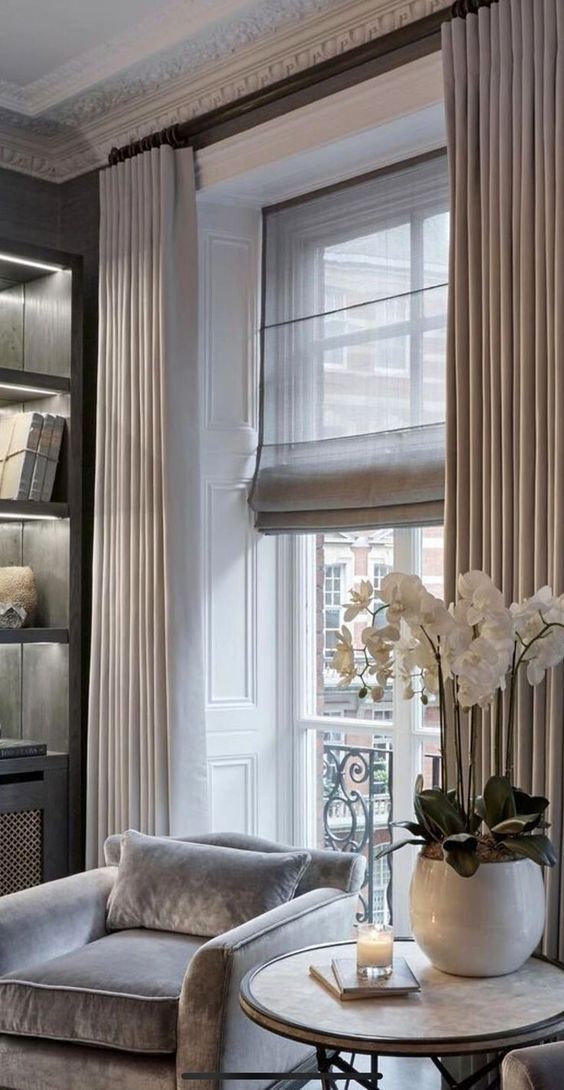
- To create a sophisticated atmosphere, choose blinds that are the same size as or larger than the window and do not hesitate to pair them with curtains.
What are the specific challenges in your home?
The Roman blind can filter daylight, but it can also provide thermal regulation for your home, so it is also worth considering its thermal use when configuring it.
In which country or region do you want to install your Roman blind?
- If you live in Normandy or in the Hauts de France, you will probably want to capture as much sunlight as possible, which is rare during the year: in this case, you should choose a Roman blind without a blackout lining.
- If, on the other hand, you live in the south of France or in a Mediterranean or hot country, you will probably prefer to keep the room cool and shaded: you can then install a blind with a blackout lining.
- Finally, if you live in a rather cold region, you will want to retain the heat already present inside: you should therefore choose a blind with a blackout lining, which will help insulate the room at the window.
Does the room have any particular issues?
Is the room too bright? Or on the contrary, too dark?
For a room that is too bright, it is best to choose blinds with a blackout lining, or at the very least with a satinette lining, to protect your furniture and fabrics from fading.
For a room that is too dark, choose not to add a lining to let in as much light as possible.
Is the room properly insulated at the windows? Is there any heat loss?
Rooms that are poorly insulated or have damp or suffer from heat loss at the windows will benefit greatly from blinds with a blackout lining, which also acts as thermal insulation.
What is the function of the room in question?
Depending on the nature of the room, it is best to choose a lined or unlined blind.
How do you use the room where you want to install your Roman blind?
If it is a bedroom or a room used for screens, opt for a Roman blind with an opaque lining. This will block out all light if you want to watch a film or work on a computer.