What does 1 hectare of textile flax yield?
With around 100,000 hectares cultivated each year, France is the world’s leading producer of textile flax. We are all familiar with the textile use of flax’s long fibre, but did you know that the entire plant is put to use? In other words, every part of the plant is utilised during its production. Embrin explains everything about flax production and its yield.
Flax fibre
The retting phase is a crucial step in flax cultivation. After being cut, the plant is left on the ground to undergo alternating rain and sunshine. This natural process separates the textile fibres from the woody part, making extraction easier. Unlike hemp, which requires a more complex transformation, flax benefits from efficient retting that optimises fibre quality.
Once retting is complete, harvesting takes place. The farmer presses the flax into round bales, known as flax straw. Each hectare produces an average of 6.5 tonnes of straw, or about 30 bales. This raw material is then sent to scutching units, a key stage in the flax sector.
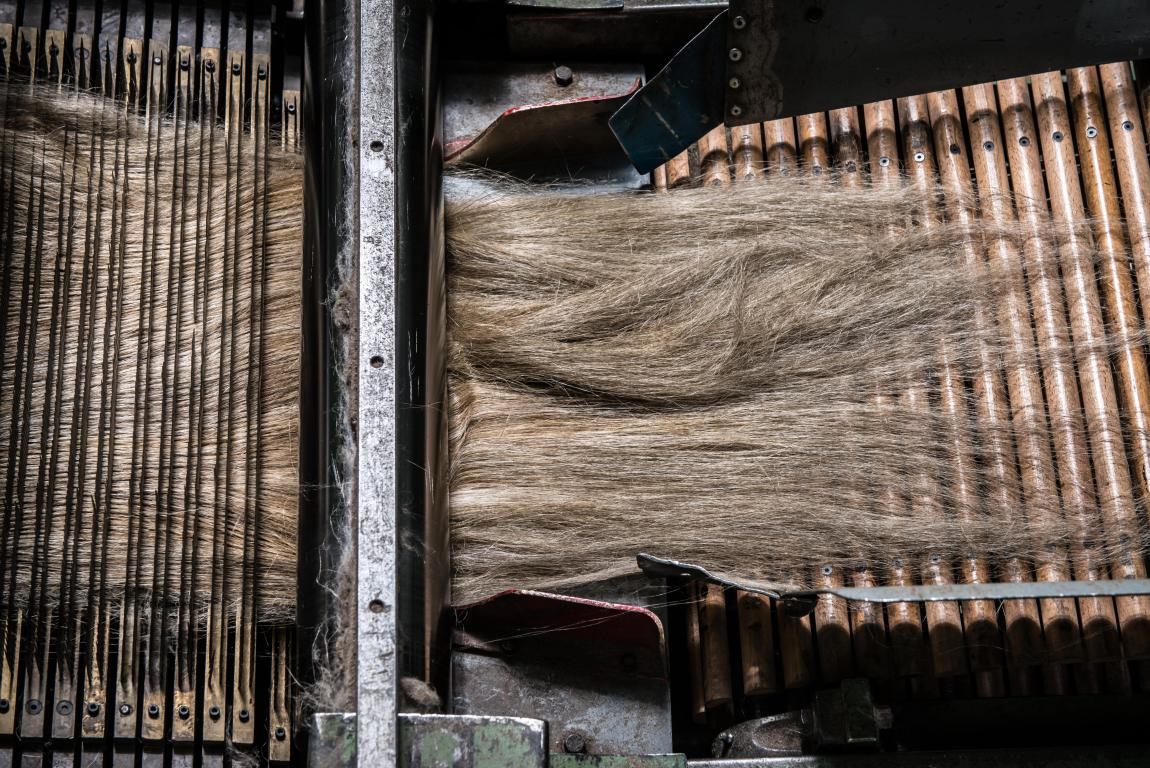 Scutching is the mechanical process of separating the textile fibres from the flax’s bark. The long fibres, known as line or long staple, are the most prized part of the plant. They are used to produce high-quality yarns for the textile and home linen industries. On average, one hectare of flax yields around 1.5 tonnes of line, a yield that explains its market value.
With the majority of production based in France, flax holds a prominent place in the European textile industry. Its sustainable cultivation, adapted to both winter and summer climates, makes this fibre a responsible and high-performing alternative.
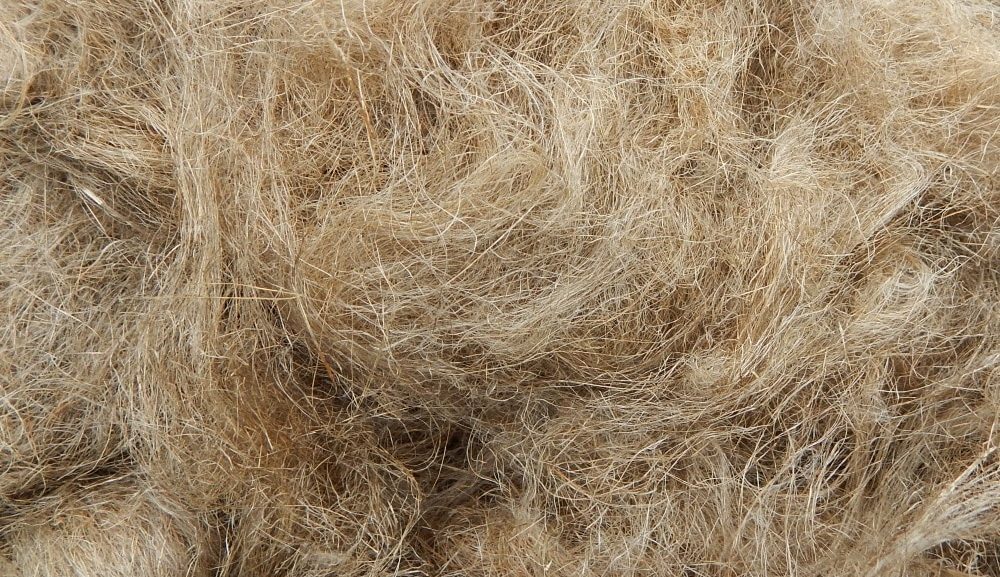 The scutching process also extracts short fibres, known as tow. These are by-products, used for technical purposes such as papermaking, building insulation, or the creation of composite materials. The latter is a rapidly growing field, as flax is highly valued not only for its natural qualities, but also for its strength and lightness. Flax composites are now found in the manufacture of skis and car interior panels. One hectare of flax generates around 650 kilos of tow.
2/ Scutching residues
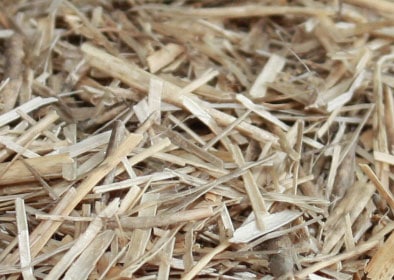
Flax straw, the woody part of the plant, is broken into small fragments during scutching. These fragments, called shives, have many uses. They can be agglomerated to make panels, used as bedding for horses, or as mulch for gardens. Up to 3.5 tonnes of shives per hectare can be utilised in this way.
Additionally, the flax capsule, which contains the seed, is separated before or during scutching.
Flax seeds play a key role not only in producing seed for the following year, but also for their richness in omega-3, which gives them great value in both human and animal nutrition. On average, one hectare of flax produces around 600 kg of seed, which is used for a variety of applications, especially in the food industry and for animal feed. Thanks to their nutritional composition, these seeds offer remarkable health benefits for both humans and animals.
The capsule, also known as the flax chaff, is another by-product of cultivation. Mixed with the seeds in animal feed, it accounts for around 250 kg per hectare. This by-product is also put to use, contributing to profitability and optimising the use of cultivated land.
Thus, in flax cultivation, nothing is wasted. Every part of the plant is used and valued, making it a particularly sustainable and environmentally friendly resource. Its yield per hectare and the low water consumption required for its cultivation are major assets for the planet. Flax is a truly complete resource, perfectly suited to an ecological and responsible approach.
If you would like to learn more about the organic flax sector in France and its benefits, Embrin invites you to explore this crop with its many advantages.
Comparison with other crops
Flax’s yield per hectare stands out from other agricultural crops, especially cotton and hemp, in terms of productivity and sustainability. Compared to cotton, which requires large areas for optimal yield and consumes excessive amounts of water, flax is far more resource-efficient, thanks in particular to its low water requirement and high fibre yield per hectare. In terms of quality, flax produces fibres of great strength and offers textiles that are naturally hypoallergenic and ecological. By contrast, cotton, although a natural fibre, is costly to grow due to the need for irrigation and the use of pesticides.
Hemp, another sustainable textile fibre, has a yield comparable to flax, but hemp is often less widely grown due to its agricultural constraints. Thanks to its optimised cultivation, flax offers a much more favourable yield, especially in France, where flax crops can achieve impressive results while promoting more sustainable soil management. The selling price of flax products is often more competitive, partly thanks to a localised and controlled production process, ensuring better profitability and supporting the local economy. Thus, flax stands out as a textile material of the future, more environmentally friendly while offering greater durability than cotton or hemp, making it a more responsible choice for both crops and products.
From field to home textiles with Embrin
Now that the flax has been harvested and processed, Embrin transforms it into high-quality products designed to enhance and improve your home. Handmade in its workshops in Normandy, Embrin’s bed linen and home textiles are the result of exceptional craftsmanship, showcasing the flax fibre in all its glory. Every stage of making is carried out with particular care, to offer you items that combine comfort, quality, and durability.
Embrin’s bedroom products, such as duvet covers, pillowcases, and flat sheets, are designed to guarantee you an optimal sleeping experience, thanks to the softness and breathability of flax. But Embrin is not limited to bed linen: you will also find curtains, tablecloths, and other accessories to dress your home with elegance and natural charm.
All items are made with respect for the flax sector, thus promoting a natural, sustainable, and eco-responsible product.