Strengths and Uses of Linen
Flax Plant: Discover All the Secrets and Uses of This Versatile Crop
What if a single plant could brighten up your garden while proving useful in your daily life? Flax, with its delicate blue flowers, is far more than just a rustic ornament. From its omega-3 rich seeds to its environmentally friendly textile fibres, this little botanical wonder has more than one trick up its sleeve. Here’s how you can incorporate it into your life for more sustainable habits.
Keen to learn more about flax? From cultivation to making tips, not forgetting the lesser-known virtues of its oil and seeds, we’ll tell you everything you need to make the most of this natural ally!
Flax: A Crop with Many Facets
Botanical Origins and History
Flax, a plant cultivated for millennia, boasts a rich and surprising history.
- Textiles: Flax was used for making clothing, burial shrouds, and ship sails, demonstrating its versatility.
- Ancient Egypt: The Egyptians used flax for mummy wrappings, highlighting its spiritual role.
- Utility objects: The Babylonians transformed stems into ropes, a technique still in use today.
- Household linen: In the Middle Ages, flax was grown in Europe for its strong thread, ideal for ship sails.
- Linseed oil: Extracted from the seeds, it protected the wood of historic buildings – a clever use indeed!
Did you know that flax is among the oldest crops in the world? The Egyptians had already mastered its use to obtain fibres. What’s more, when in bloom, its blue flowers transform the fields into a truly fleeting spectacle.
Unique Morphological Characteristics
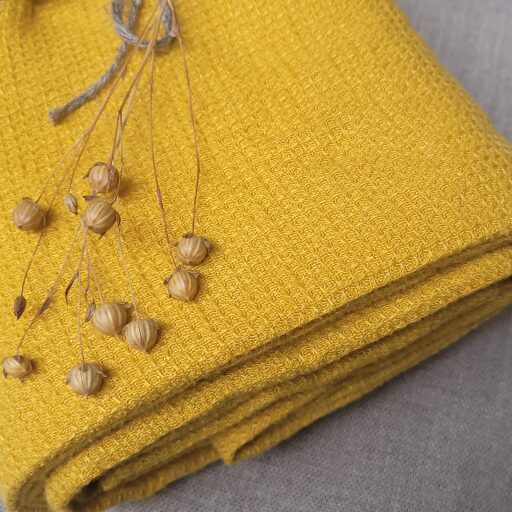
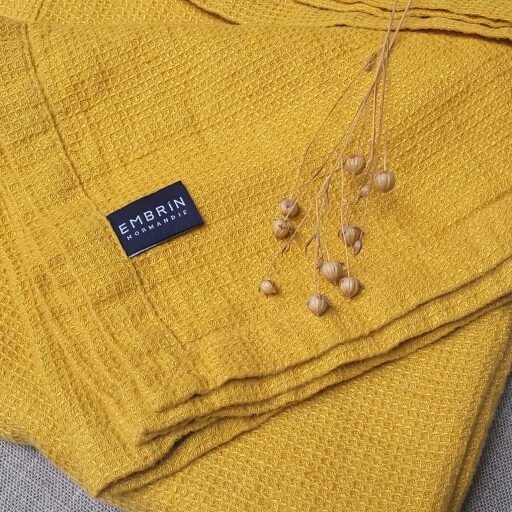
This annual plant charms with its slender stems that can reach 1 metre. Its delicate, generally blue flowers form capsules after flowering. It’s within these capsules that the precious seeds ripen.
The secret? A rapid growth cycle. To sow organic flax, opt for well-drained soils. It’s worth noting that each stem contains usable fibres. This particularity explains its importance in traditional farming.
Current Geographical Distribution
Today, flax is mainly grown in temperate zones. Normandy is the ideal location thanks to its loamy soils. Did you know that the majority of French flax grows here?
Local farmers alternate flax and cereal crops to preserve the soil. After harvesting, the stems undergo natural retting in the fields. This expertise, combined with predominantly organic production, makes France the world leader in flax yarn. An inspiration for other regions!
Cultivation and Production
Specific Agricultural Techniques
Growing Linum usitatissimum requires genuine expertise to achieve high-quality crops. These plants have specific needs: well-prepared soil and regular monitoring throughout their growth. Sowing generally takes place in spring, once the earth reaches the right temperature.
After sowing, watering and weeding become essential. Although flax requires less water than cotton, a sufficient supply is still necessary during droughts. Harvesting takes place after about 100 days, when the stems turn yellow. That’s when scutching comes into play: this delicate step preserves the quality of the fibres to produce strong yarn.
Major Production Areas
Flax thrives above all in regions with a suitable climate. France leads the sector, with organic crops spanning thousands of hectares. Let’s take a look at the main production areas.
| Region/Country | Share of Global Production | Area Cultivated (approx.) |
|---|---|---|
| France | > 75% | 93,000 hectares (2024) |
| Normandy (France) | World-leading region | Included in France’s figures |
| Belgium | About 15% (with France and the Netherlands, around 80%) | 20,000 hectares (2024) |
| Netherlands | About 5% (with France and Belgium, around 80%) | 3,600 hectares (2024) |
| European Union | 75–80% | Varies year by year |
Key: This table compares the main flax textile producing regions and countries. The figures are estimates based on available data and may vary.
Normandy leads the way with 55% of global production! The secret? Its humid climate encourages the natural retting of stems. Other countries, such as Belgium and China, also grow Linum usitatissimum, but France retains the edge in quality. From the blue bloom to the ripened seed capsules, each stage is expertly managed for exceptional crops.
Renewable Textile Fibres
From Stem to Fabric
Transforming flax (Linum usitatissimum) into fabric is a remarkable craft. This expertise, held by Embrin, is dedicated to your household linen thanks to our team of seamstresses. It all begins with the harvesting of stems, followed by the crucial stage of retting: this technique separates the fibres from the woody part. Scutching then involves mechanically breaking the stems to extract the precious yarn.
After carding and combing, these fibres are spun to create a fabric both strong and lightweight. Once the seed capsules have formed, each organic plant produces fibres of unique quality. French flax crops are often certified organic, guaranteeing environmentally friendly processes.
Ecological Advantages
Flax stands out for its excellent ecological footprint. Unlike cotton, its cultivation requires little water and fertiliser. A real asset, especially as 90% of European flax is produced in France!
But that’s not all: as they grow, these plants capture CO₂ and enrich the soil. Farmers often practise crop rotation to preserve the land. The result? 100% biodegradable yarn that supports the circular economy. And contrary to popular belief, linen fabric becomes softer over time while remaining thermoregulating.
Innovative Industrial Applications
The industry is gradually discovering the many facets of Linum usitatissimum. Did you know that some car brands now use its fibres to lighten their vehicles? Flax/resin composites offer an ecological alternative to traditional materials.
A concrete example: Alpine incorporates these natural fibres into its bonnets, reducing weight while improving vibration absorption. Flax crops are therefore finding new outlets far beyond the clothing sector. Quite a comeback for a plant first sown in the Neolithic era!
Comparison with Other Textiles
Compared to water-hungry cotton or polluting synthetics, organic flax is an ecological champion. Its local cultivation generates less CO₂ than equivalent production in Asia. The icing on the cake: every part of the plant is used, from oil-rich seeds to textile fibres.
Contrary to popular belief, flax isn’t just for summer clothing. Its insulating power works in winter too! To choose between different natural fibres, our linen/hemp comparison will shed light on their specificities. One thing’s certain: this ancient material still has plenty of surprises in store.
Seeds and Food Derivatives
Exceptional Nutritional Properties
Did you know that these tiny flax seeds from Linum usitatissimum are packed with health secrets? Cultivated for centuries, they offer a nutritional concentrate of fibre, omega-3, and minerals. A real treasure trove for your body!
Just two tablespoons a day are enough to meet your omega-3 needs. Let’s talk zinc and magnesium: these elements, combined with vitamin E, work wonders for your skin. Best of all, their organic cultivation preserves all these qualities. The natural retting of stems after flowering also ensures excellent nutrient preservation.
Ways to Consume
How can you incorporate flax into your meals? The answer is simple: it adapts to everything! Whole seeds in your muesli, ground over a salad, or even as oil in a smoothie… The choice is yours.
Top tip: Grind them just before use to unlock all their benefits. For cooking, think veggie patties or homemade bread. As for the oil, it’s best not to heat it – a drizzle over steamed vegetables works wonders.
Scientifically Proven Health Benefits
Careful scutching of the capsules after harvest preserves their virtues. The result? Proven effects on cholesterol and digestion. Organic crops even intensify these effects, according to some studies.
Surprisingly, these seeds also act on blood pressure. For women, they ease the discomforts of menopause. The secret? Their richness in phytoestrogens, compounds that act as natural regulators.
Uses in Natural Cosmetics
Your skin deserves the best of flax! Oil extracted after flowering becomes a multi-purpose treatment. Thanks to the retting of the stems, you get a texture that penetrates quickly.
Applied at night to damp skin, it combats tightness. On hair, it repairs split ends without weighing them down. Some even use it as a hair mask with honey – a true cocktail of softness!
Bonus tip: mix it into your usual cream to boost its nourishing effect. Sustainable cultivation ensures an optimal concentration of antioxidants.
Environmental Advantages
Favourable Carbon Footprint
Flax stands out for its low environmental impact. Did you know that its cultivation requires few chemicals while locking carbon into the soil? A real solution in the face of climate change!
Growing flax offers a double advantage: low water consumption and limited use of pesticides. The icing on the cake, these plants naturally store CO₂. Organic cultivation preserves soil nutrients while producing a renewable fibre. No wonder this material is making its mark in responsible fashion!
Sustainable Resource Management
Flax embodies virtuous agriculture. Its crops protect the land, save water and boost biodiversity. A model for growers to follow!
Unlike cotton, these plants require little fertiliser and zero chemical treatment. The secret? Stems, seeds and capsules all find a second life. With France as the world leader, transport emits less CO₂ than for other fibres. Scutching, the step that turns stem into yarn, is often done locally.
Recycling and Circular Economy
Flax shines in the circular economy. Its yarns are recyclable. A natural alternative to polluting synthetics!
From field to wardrobe, every part of the plant is used. After the seeds are harvested, scutching extracts the precious fibres. Companies like Linpact even recover used clothing to create new products. Organic flax thus points the way towards truly sustainable fashion, from flowering to final recycling.
Innovations and Future Prospects
New Bio-Based Materials
Flax is gradually making its mark in the creation of bio-based materials. Did you know its stems are used to produce lightweight composites for both aeronautics and urban furniture? A real asset for industries mindful of their environmental impact.
Take the building sector: Linum usitatissimum crops provide ideal fibres for thermal insulation. After retting and scutching, the long fibres are used to reinforce hybrid materials. Some composites contain at least 45% of these plant filaments, combined with resins of natural origin. A virtuous circle that’s even winning over shipbuilding!
Promising Medical Research
Linum is not content with revolutionising our everyday objects. Its seeds and flowers are of great interest to pharmacology researchers. The plant’s anti-inflammatory properties could help relieve certain chronic conditions.
This annual herbaceous species is the subject of extensive studies in Europe. Concrete applications are already emerging in the field of organic food supplements. At the same time, oils extracted from flax capsules are finding uses in natural cosmetics. This versatility explains why farmers are so enthusiastic about these crops.
Future Industrial Outlets
The flax adventure is only just beginning. After the stems are scutched, every part of the plant is put to use. The shives (the residues from retting) are used to make particle boards, while the short tow fibres reinforce plant-based plastics.
The SeaBioComp project is a perfect illustration of this trend. By combining flax fibres and thermoplastic matrices, it paves the way for bio-based composites with thermoplastic matrices for the marine industry. Even shipyards are now testing these innovative materials. Plenty to inspire contemporary furniture designers!
Consumer Trends
In response to the climate emergency, Linum crops are perfectly in tune with consumer expectations. Every stage, from sowing to processing, is part of a circular economy approach. Both individuals and professionals are embracing these sustainable alternatives.
In construction, for example, using fibres from scutching can significantly reduce the carbon footprint of buildings. Mature plants also provide high-performance insulation for eco-friendly homes. A win-win solution combining agricultural tradition with cutting-edge technology.
Economic Issues
Global Market
Flax is enjoying growing popularity on international markets, particularly thanks to the demand for eco-responsible materials. A real asset for organic crops!
Each year, the sector grows around 150,000 tonnes of fibre. France leads the market with a key position: it supplies over 75% of the world’s flax for yarn. Our country has 6,500 farmers specialising in these crops, supported by 7 seed producers and 27 companies specialising in scutching. Paradoxically, nearly 80% of European flax comes from our land. Professionals are now targeting Asia, where demand for these low-impact plants is booming.
Challenges for Producers
Let’s look at the obstacles faced by those who grow Linum usitatissimum. Between unpredictable weather and foreign competition, the job demands constant adaptation.
Did you know these plants require less water than cotton? A major advantage for organic crops, especially as their growth needs little fertiliser. In the face of challenges, the French sector is betting on innovation: three new spinning mills are set to bring flax yarn production back home. The aim? To add value to this resource locally while reducing the export of raw stems. A strategy that could make flax a pillar of our industrial sovereignty.
Do you really know all the facets of flax? Far more than an