Linen or Hemp Textiles: How to Make the Right Choice?
Many of you ask us about hemp textiles, which are appearing more and more frequently in collections, especially home linens. So how should you choose between linen and hemp, these two natural fibres that are so often compared?
Embrin offers a few pointers to help you find your way and make a more informed purchase.
Two plant fibres with very distant production areas
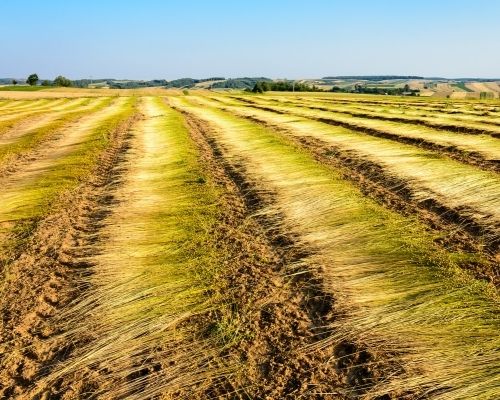
Linen is a plant fibre whose production is almost exclusively concentrated in Europe, with the vast majority coming from France, particularly the Normandy region, where the oceanic climate and suitable soils provide ideal conditions for its cultivation. Every year, France grows around 100,000 hectares of flax, and Normandy alone accounts for almost 50% of global production. This region benefits from a climate favourable to retting, a natural process that separates the fibre from the woody part of the plant once harvested.
The expertise developed over centuries by the French linen sector is unrivalled worldwide. From cultivation to processing, each stage relies on highly specialised skills, which largely explains the price difference between linen and other natural fibres such as hemp or cotton. Linen, particularly prized in the home linen sector, is also known for its organic qualities and low water consumption during cultivation, making it a particularly sustainable choice.
Although France also grows around 12,000 hectares of hemp each year, this is mainly used for its seeds, which are processed for food and the manufacture of building materials. The cultivation of hemp for textiles in France remains marginal and experimental, supported in particular by the association "Lin et Chanvre Bio". This textile hemp, while sharing certain similarities with linen, has not yet reached the same level of development or expertise as the linen sector.
As things stand, textile hemp unfortunately comes mainly from China, which has made its development a strategic priority for its agriculture.
But with very similar properties
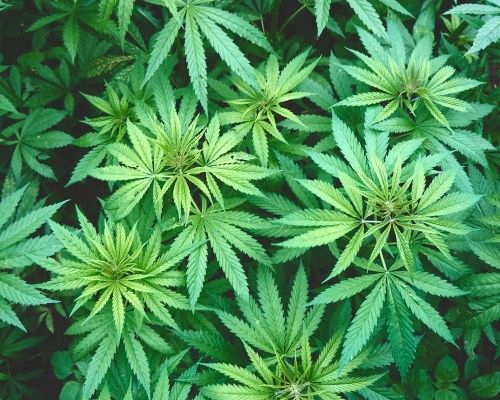 Fabrics made from hemp and linen share many properties.
- Both are durable fabrics that become softer with repeated use and washing,
- Both materials are natural and breathable,
- They both have antibacterial properties,
- Both fabrics are highly absorbent, which reduces the need for dye,
- Both have hollow fibres, making them effective insulators and regulators of body temperature,
- Both are biodegradable.
Linen and hemp are both natural textile fibres that stand out for their environmentally friendly cultivation methods. These two fibres require far less water than cotton, whose production is known for excessive water use and negative environmental impacts.
As mentioned earlier, linen is mainly grown in France, unlike hemp or cotton. Linen stands out for its local production, supporting French agriculture and guaranteeing a level of traceability that is not always present with hemp, whose production is still largely outsourced. By choosing linen, you are supporting a sustainable, high-quality textile sector, while reducing your carbon footprint and favouring local fibres that are kind to the environment.
Choosing linen with Embrin
Embrin is a specialist in washed linen for home linens. Sheets, pillowcases, curtains or even tablecloths, Embrin products are made in France and certified Oeko-Tex. Linen is a fabric perfectly suited to bedding, thanks in particular to its antibacterial and thermoregulating properties. If you suffer from sleep problems, change your sheets and try linen!
The style of linen dresses your home with charm and elegance—create your own true cocoon with Normandy linen. You'll find something for every room in the house.