
Linen or Cotton Sheets: What’s the Difference?
Are you torn between linen sheets and cotton sheets for your bedding? Choosing the right fabric is essential for lasting comfort and truly restful nights. Here, we explain the differences between these two options: softness after repeated washes, long-term durability, ease of care... Discover which fabric best suits your habits... and your nights!
Thermoregulation
Thermoregulation plays a central role in your bedding. Between linen and cotton, your choice of fabric directly affects your night-time comfort. But how do you decide, especially when considering your sheets or duvet cover?
Thermoregulatory properties of linen
Linen excels at thermal balance. How does it work? This natural fabric regulates both summer coolness and winter warmth. A real advantage for your sheets and duvet covers! Notably, its Oeko-Tex certification guarantees it is free from harmful chemicals. Perfect for creating healthy bedding sets.
Cotton’s performance in thermal management
Cotton, on the other hand, relies on its breathability. Ideal for wicking away moisture under a duvet cover or fitted sheet. But beware: not all qualities are equal. Between cotton percale, jersey, cotton poplin or double gauze, it can sometimes be tricky to navigate.
Absorption
Moisture absorption is a key factor for truly comfortable sheets. Did you know that linen and cotton react differently to perspiration? Let’s see which of these fabrics will keep you dry at night.
Exceptional absorption capacity of linen
Linen can absorb up to 20% of its weight in moisture without feeling damp. How is this possible? The natural structure of the fibres wicks away perspiration while maintaining a pleasant freshness. A real bonus for summer duvets!
Limited absorption of cotton
Cotton remains breathable, but reaches its limits for heavy sleepers. So why choose this material? It offers gentle comfort without a "technical" feel. However, if you’re seeking optimal moisture management, linen remains the winner.
Hypoallergenic
For sensitive skin, the hypoallergenic quality of bedding makes all the difference. Between linen and cotton, your choice directly affects your night-time comfort and the risk of irritation. Did you know that some materials require more treatment than others?
Natural antibacterial benefits of linen
Linen stands out for its naturally healthy properties. Antibacterial, it limits allergens thanks to an airy weave that allows the fabric to breathe. A linen duvet cover certified GOTS prevents dust build-up, especially if you pair it with matching pillowcases. It’s the star of high-end bedroom collections.
Chemical treatments required for cotton
Unlike linen, conventional cotton often undergoes chemical treatments during production. For your sheets and pillowcases, opt for reliable certifications such as GOTS, which guarantee fibres free from harmful residues. Note that a beige or plain colour will reveal any dye imperfections less – a good indicator of quality!
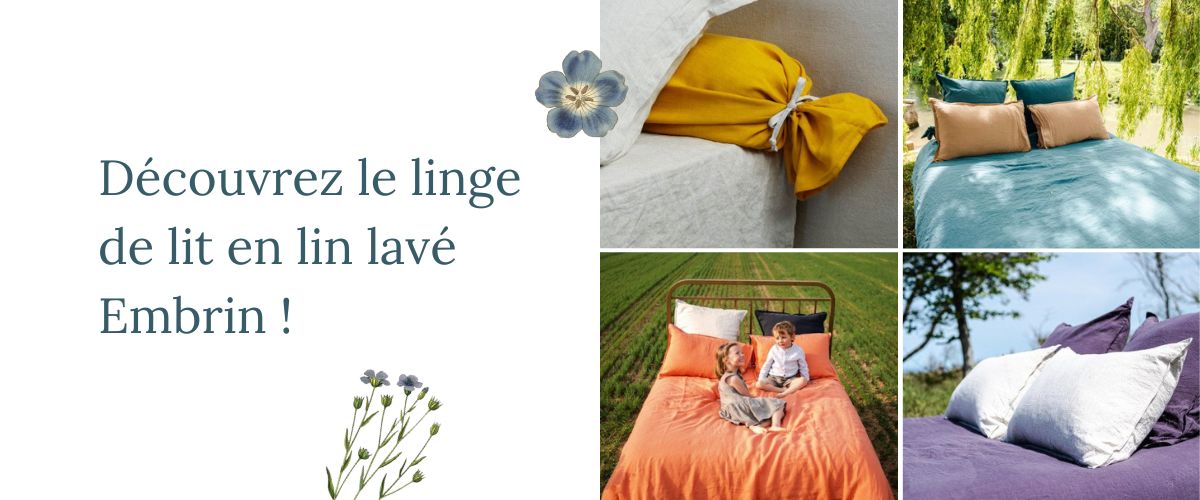
Ecological
Environmental impact is becoming a decisive factor when choosing your sheets and duvet covers. Let’s take a look at the linen vs cotton duel for a truly eco-friendly bedding collection.
Environmental benefits of linen
Here’s why linen is the obvious choice for your eco-friendly pillowcases and duvets:
- Radical water saving: linen grows almost without irrigation – rainfall is enough. A real plus for preserving our water tables.
- Less chemistry: compared to cotton, it requires five times less fertiliser and pesticides. Your sheets thus avoid chemical residues.
- Zero waste: stalks, fibres, seeds... Nothing goes to waste! This natural circularity reduces the ecological footprint of your duvet cover.
- Local production: mainly grown in Europe (with France and Normandy leading the way), linen reduces transport. Perfect for a harmonious collection in plain colours such as beige.
- CO2 sink: did you know that a European linen field captures 250,000 tonnes of CO2? You can rest easy in your natural percale pillowcases.
Choosing linen means opting for durable sheets with the right environmental certification. Some brands even offer complete sets to coordinate your decor.
Impact of cotton cultivation
Conventional cotton? A real ecological headache. Even organic cotton remains thirsty for water. Chemicals are less prevalent over time, but the environmental cost persists. All the more reason to favour linen for your covers and pillowcases whenever possible.
Durability
Durability is a key factor when choosing your bedding. In a quality collection, linen and cotton offer different levels of longevity, which directly affects long-term value for money.
Exceptional strength of linen fibres
Linen stands out for its remarkable strength. Did you know that a French linen duvet cover can last for years? With proper care, your sheets and pillowcases retain their softness year after year. As for certification, washed linen avoids harsh chemical treatments – a real plus for your skin and the planet.
Accelerated wear of standard cotton
Standard cotton, on the other hand, can sometimes show signs of premature wear. How can you preserve your sheets and covers in this case? Wash at low temperatures and use a gentle spin cycle. For plain or coloured sets, choose natural fibres certified Oeko-Tex. Beige is a clever choice that hides the signs of ageing.
Aesthetic
The look of your covers, sheets and duvets shapes the atmosphere of your bedroom. It’s worth noting that linen and cotton offer distinct finishes, perfect for creating varied moods according to your taste.
Natural crumpled style of linen
Linen charms with its slightly crumpled, natural look. But does this bohemian style really suit every setting? Absolutely! Its rustic appearance dresses both contemporary and traditional bedrooms with elegance. For this relaxed look, choose our washed linen collection.
Smooth and uniform appearance of cotton
By contrast, cotton offers vibrant colours and smooth surfaces. Percale and sateen cotton bring their own touch of softness. Looking for a versatile option? Our range offers matching pillowcases and sheets in a variety of colours.
Price
Price is a decisive factor when choosing your bedding. Between linen and cotton, prices vary significantly – here’s how to find your way according to your budget.
Price range comparison
Here’s a comparison table to help clarify things:
| Criteria | Linen | Cotton |
|---|---|---|
|
Price |
€€€ | €€ |
| Durability | Exceptional (10 years and more) | Less durable |
| Care | Low temperature wash, air drying recommended | Wash at 40-60°C, avoid tumble drying |
| Ecology | Less water, fewer pesticides | Intensive cultivation, use of pesticides |
| Comfort | Thermoregulatory, softens over time | Soft and comfortable |
| Appearance | Naturally crumpled | Smoother |
Legend: this table compares linen and cotton according to key criteria: price, durability, care, ecological impact, comfort and appearance. Its aim is to help you choose the bedding that best matches your needs and values.
Production costs explaining the difference
Linen is more expensive to produce than cotton, hence the price difference. The rarity of linen as a noble material, and its more demanding cultivation, justify this difference in cost. Good to know: some brands now offer plain linen sets at reasonable prices.
A quick note on the yarns used: long-fibre versions (such as Egyptian cotton) drive up the price. But their durability makes the investment worthwhile, especially for duvets and pillowcases used daily.
Crumpling
The crumpled appearance is what gives linen its character – some see it as charm, others as a flaw. Let’s compare linen sheets and cotton covers when it comes to creasing, to help you make an informed choice for your bedding set.
Characteristic creasing of linen
Linen naturally creases, that’s a fact. This noble fabric brings a "living" spirit to your duvet or pillowcases. A collection of plain linen bedding (beige or ecru, for example) gains character with these signature micro-creases.
Cotton’s resistance to creasing
With cotton, it’s a different story. Percale or sateen sheets resist creasing better thanks to their tight weave, but lose some authenticity. This can also be due to chemical treatments applied. For your duvet covers or bolster pillowcases, it’s ideal if you prefer a consistently neat look.
Care
Looking after your bedding is just as important as choosing its colour or collection. Did you know that linen and cotton require different care when washing? Here’s how to preserve their qualities over time.
Linen-friendly washing methods
With linen, it’s best to be gentle. Can you tumble dry it? Technically yes, but ideally, wash at low temperature and air dry. This method preserves the natural fibres of your sheets and duvet covers, such as the Papillon Fitted Sheet in Natural Washed Linen from our spring collection. A little tip: use a detergent free from chemical agents to keep their beautiful original beige.
Easy care of cotton
Cotton is more forgiving. What temperature should you use? A 40°C wash is perfect for your sateen or percale sets. Tumble drying is allowed at low temperature, provided you remove pillowcases and sheets promptly.
Weaving
The weave plays a key role in the quality, softness and durability of your sheets and duvet covers. Did you know that linen and cotton reveal their strengths through specific techniques? Here’s how it works.
Traditional linen techniques
With linen, craftsmanship is paramount. An airy weave gives your sheets that unique breathability – ideal for cool nights. Some high-end collections combine this expertise with natural colours. A tip? Pair your duvet cover with matching pillowcases for perfect harmony.
Innovations in cotton weaving
As for cotton, progress is tangible. The higher the thread count, the more comfortable the bedding set becomes.
Drying
Drying is a key step in caring for your bedding over time. Note that linen and cotton behave very differently here – a detail that can make all the difference depending on your daily routine.
Quick drying of linen
With linen, fast drying is a frequently underestimated advantage. But beware: it’s best to avoid the tumble dryer! To preserve its fibres and prevent shrinkage, nothing beats air drying. A tip? Hang your linen sheet or pillowcase on a hanger in front of an open window.
Prolonged drying time for cotton
Cotton, on the other hand, requires more patience. How can you speed up the process? It’s simple: choose a higher spin cycle in the machine and ensure good ventilation. Paradoxically, this natural fabric benefits from slow drying – ideal for preserving the softness of your favourite duvet or covers.
Certification
Certifications play a key role in identifying quality, eco-friendly bedding.
Oeko-Tex and GOTS labels for linen
European linen is easy to spot thanks to the European Flax label. This is a guarantee of traceability that Embrin ensures across its entire range. Notably, these labelled collections remain affordable.
Alternatives
If linen and cotton aren’t quite right for you, there are other options for your duvet covers, sheets and pillowcases. Let’s look at alternatives that combine comfort and respect for the environment, without compromising on quality.
Bamboo, silk and other exotic fibres as intermediate options
Bamboo is an interesting intermediate option, as are silk and other exotic fibres. However, if ecological impact, supporting the local economy and short supply chains are among your priorities, linen is the natural choice.
Comparison
To help you decide, let’s summarise the main criteria to consider for your bedding. Which material for which type of sleeper? Linen and cotton meet different needs in terms of comfort, durability and care.
Summary of selection criteria
Are you hesitating between linen and cotton for your sheets? Here’s the key takeaway: linen excels in thermoregulation, outlasts over time, and uses a more noble raw material, while cotton may appeal with its smoother appearance but is definitely less eco-friendly than linen. Clearly, it all depends on what you prioritise day to day. And why not try linen to discover the comfort that truly suits your nights? With well-chosen bedding, sleep quality takes on a whole new meaning!